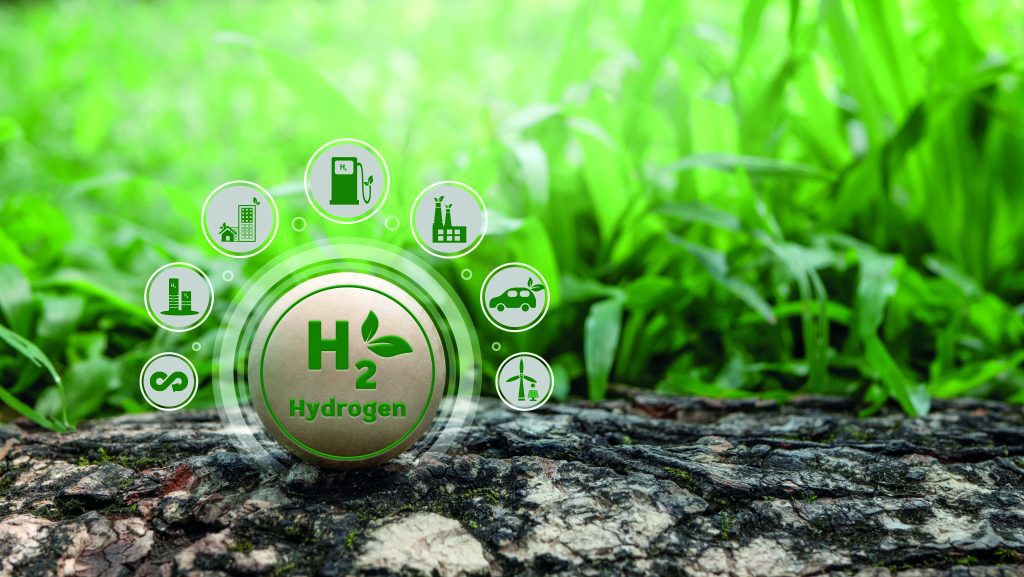
The transition towards cleaner energy is creating a new generation of careers, and green hydrogen is emerging as an important part of Europe's future energy strategy. Produced using renewable electricity, green hydrogen can support industries that are difficult to fully electrify, including heavy transport, chemicals, steel and large-scale industrial processes. As European countries invest in renewable energy, hydrogen infrastructure, storage and related technologies, the need for engineers and specialists with knowledge of energy systems, electrical engineering, chemical processes, materials and sustainability is expected to increase. For students considering Engineering in Europe , this emerging sector offers an opportunity to combine technical education with one of the major energy challenges of the coming decades. Exploring programmes through a Study abroad app or Study abroad mobile app can also help students identify universities and courses connected to renewable energy, sustainable engineering and emerging technologies. What Makes Green Hydrogen Different? Hydrogen itself is not a new technology, but the way it is produced determines its environmental impact. Green hydrogen is generally produced by using renewable electricity to split water into hydrogen and oxygen through electrolysis. When the electricity comes from renewable sources such as wind or solar power, the production process can have significantly lower emissions than conventional hydrogen production based on fossil fuels. The technology requires expertise across several engineering disciplines. Electrical engineers are needed to integrate renewable power with electrolysers, chemical engineers contribute to production and processing systems, mechanical engineers work on equipment and infrastructure, while materials specialists help develop components capable of operating efficiently and safely. This multidisciplinary nature makes green hydrogen particularly interesting for students considering Engineering in Europe , where universities increasingly combine traditional engineering disciplines with sustainability and energy research. Why Europe is Investing in Hydrogen Europe has identified hydrogen as an important component of its transition towards a lower-carbon economy. Governments and industries are developing projects involving renewable hydrogen production, transport infrastructure, storage and industrial applications. These developments are creating demand for professionals who understand both the engineering requirements and the wider energy systems involved. The sector is also closely connected to other growing technologies. Offshore wind and solar power can provide renewable electricity for hydrogen production, while hydrogen can potentially be used in sectors where direct electrification is difficult. Fuel cells, energy storage, industrial decarbonisation and sustainable transport also create opportunities for specialised engineering expertise. For students, this means that a qualification related to renewable energy or hydrogen does not necessarily lead to one narrowly defined job. Graduates may develop careers across energy engineering, process engineering, sustainable manufacturing, power systems, environmental technology, research and project management. What Can Students Study? Students interested in green hydrogen do not necessarily need to search only for a degree specifically titled "Green Hydrogen". Relevant academic pathways can include Renewable Energy Engineering, Sustainable Energy Systems, Chemical Engineering, Electrical Engineering, Mechanical Engineering, Environmental Engineering, Energy Technology and Materials Science. At Master's level, students may find more specialised programmes focusing on hydrogen systems, energy storage, renewable integration or sustainable industrial processes. Research-oriented programmes can also provide opportunities to explore electrolysers, fuel cells, hydrogen storage, energy efficiency and related technologies. This makes course selection particularly important. Students should examine individual modules and research areas rather than relying only on the programme title. A strong foundation in engineering combined with specialised knowledge of renewable energy can provide flexibility as the industry develops. The Role of Germany and Affordable European Education Germany is particularly relevant to students interested in the wider energy transition because of its strong engineering ecosystem, renewable energy development and industrial base. The country's universities and research institutions contribute to work across energy technology, engineering, materials and industrial decarbonisation. Students researching free education in germany should nevertheless understand that tuition policies depend on factors such as the institution, programme, nationality and state. Some public institutions may have low or no tuition fees for certain students, while other costs—including semester contributions, accommodation, insurance and living expenses—still need to be considered. Students should always verify current requirements directly with their chosen institution. The wider European education landscape also provides alternatives, allowing students to compare programmes in countries with strong renewable energy research, engineering industries and sustainability initiatives. This makes Engineering in Europe particularly attractive for students who want exposure to different approaches to the energy transition. Career Opportunities in the Green Hydrogen Economy The growth of hydrogen infrastructure is expected to create opportunities across multiple stages of the value chain. Engineers may work on hydrogen production systems, electrolysers, pipelines, storage facilities, fuel cells, renewable energy integration and industrial applications. Other opportunities may emerge in project development, energy consulting, research, environmental assessment and technology management. Students with multidisciplinary knowledge may have an additional advantage because hydrogen projects often involve teams from different technical backgrounds. Understanding energy systems, sustainability, economics and project management can complement a core engineering qualification. Importantly, green hydrogen should be viewed as part of a much larger clean-energy ecosystem rather than an isolated industry. Skills developed through hydrogen-related education can potentially be applied to renewable energy, energy storage, sustainable transportation and industrial decarbonisation. This flexibility can make the field attractive to students who want future career options rather than a single specialised occupation. Learning Beyond the Classroom Future energy professionals need more than theoretical knowledge. Universities increasingly use laboratories, simulation tools, research projects and industry collaborations to help students understand how energy technologies work in real-world conditions. Students may have opportunities to work on renewable energy systems, energy modelling, hydrogen production technologies or sustainability projects as part of their academic experience. Internships and industry-linked projects can be particularly valuable because they allow students to understand the commercial and technical challenges involved in implementing new energy technologies. Students should therefore compare universities based on research facilities, industry partnerships, practical projects and graduate opportunities rather than focusing only on rankings. A Study abroad app can make this comparison easier by helping students discover programmes across different countries and evaluate options according to their academic interests and career plans. How Technology is Changing the Study Abroad Journey As specialised programmes become more diverse, technology is becoming increasingly useful for students researching international education. Finding a suitable renewable energy or engineering programme may involve comparing course structures, countries, tuition fees, admission requirements and scholarship opportunities across multiple institutions. A Study abroad mobile app can bring many of these resources together, allowing students to explore programmes and destinations without having to manage information across numerous websites. Digital tools can also help students track applications, organise important information and stay updated throughout the admission process. However, technology should support—not replace—careful decision-making. Students should always verify programme details, accreditation, fees and admission requirements with official university sources before applying. Green hydrogen represents one of the most interesting areas within Europe's evolving clean-energy landscape, creating opportunities for students who want to combine engineering with sustainability and technological innovation. Its development requires expertise across electrical, chemical, mechanical, environmental and energy engineering, giving graduates the potential to build careers across a range of related industries. For students exploring Engineering in Europe , this growing field offers the chance to work on technologies that could influence how industries produce, store and use energy in the future. Countries such as Germany provide particularly interesting opportunities for students researching free education in germany , although eligibility and costs must always be checked carefully. By using a Study abroad app or Study abroad mobile app to explore relevant programmes and compare destinations, students can begin building an education pathway that connects today's academic choices with tomorrow's global energy careers.


Subscribe to our Newsletters