Study Abroad Articles


Common Mistakes to Avoid When Planning Free Education in Germany & Free Education in France
18 Feb 2026
-
For many students and parents, the idea of Free education in Germany and free education in France sounds like the perfect opportunity. High-quality universities, globally recognised degrees, and little to no tuition fees make these destinations extremely attractive. Every year, thousands of students begin their journey hoping to build a successful international career through these study options.
However, what most students do not realise is that planning for Free education in Germany or free education in France involves much more than simply choosing a university. While tuition fees may be low or waived, the overall study abroad journey requires careful preparation, financial awareness, and strategic decision-making. Without the right guidance, students often make mistakes that can delay admissions, increase costs, or even affect visa approvals.
Assuming “Free Education” Means No Expenses
One of the most common misunderstandings students have about Free education in Germany and free education in France is believing that studying will involve almost no costs. While public universities may offer low or zero tuition fees, students must still account for living expenses, accommodation, health insurance, travel, and administrative fees.
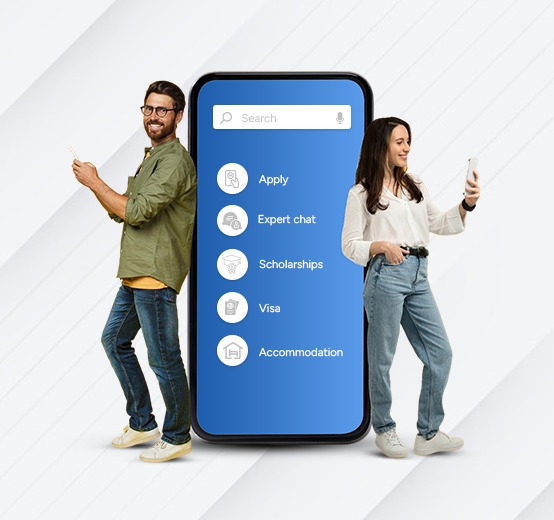
Many students begin their applications without fully understanding monthly expenses such as rent, food, transport, and utilities. This financial oversight can create unnecessary stress later. Proper planning with an overseas education consultant or reliable resources like assistED can help students build a realistic budget and avoid unexpected challenges.
Ignoring Language Requirements
Although many programmes are offered in English, language requirements remain a critical factor when applying for Free education in Germany or free education in France. Students often assume that basic English proficiency is sufficient, only to discover later that universities may require IELTS, TOEFL, or proof of German/French language skills.
In countries like Germany and France, language knowledge can also significantly impact part-time job opportunities, internships, and daily life. Failing to prepare for language expectations early can limit university options and affect integration. A knowledgeable overseas education consultant can help students choose programmes aligned with their language readiness.
Poor Course & University Matching
Another hidden mistake students make is selecting universities based purely on rankings or tuition benefits rather than academic compatibility. While pursuing Free education in Germany or free education in France, students must consider entry requirements, academic background, career goals, and eligibility criteria.
Applying without proper profile evaluation often results in rejections or wasted application fees. Students planning to study masters in Europe should understand that admission decisions depend on much more than grades alone. Strategic programme selection improves success rates and ensures long-term academic satisfaction.
Underestimating Visa & Documentation Complexity
Many students focus heavily on admissions while overlooking visa procedures and documentation accuracy. Even when securing admission for Free education in Germany or free education in France, incomplete paperwork, financial proof errors, or incorrect submissions can lead to visa delays or refusals.
Visa authorities require clear evidence of financial stability, accommodation plans, academic intent, and compliance with regulations. Seeking assistance from an experienced overseas education consultant or using structured tools like assistED helps students manage deadlines, documents, and requirements efficiently.
Delaying Professional Guidance
Perhaps the most critical mistake is attempting to manage the entire process without expert advice. While information is widely available online, study abroad planning involves multiple interconnected decisions — from university selection and scholarships to visas and accommodation.
Students aiming to study masters in Europe, especially in destinations offering Free education in Germany or free education in France, benefit greatly from structured guidance. Early consultation reduces risks, improves application quality, and ensures smoother transitions.
Opportunities like Free education in Germany and free education in France offer incredible advantages, but success depends on informed planning rather than assumptions. Understanding real expenses, language expectations, academic fit, and visa procedures can make the difference between a stressful experience and a rewarding journey.
With the right preparation and tools, students can confidently study masters in Europe while avoiding costly mistakes. Platforms like assistED and expert support from an overseas education consultant empower students and parents to make smarter, safer, and more strategic decisions for their future.