Study Abroad Articles


Beyond MBA in Europe & Medicine in Europe: Emerging Opportunities in Food Science & Technology
26 Feb 2026
-
For many students exploring international education, programmes such as MBA in Europe and Medicine in Europe often dominate decision-making conversations. These fields are widely recognised, highly respected, and strongly associated with global career opportunities. However, as industries evolve and new global challenges emerge, students are increasingly discovering specialised academic pathways that offer equally strong — and sometimes even more dynamic — career prospects.
One such rapidly growing field is Food Science & Technology. For students planning to study masters in Europe, this discipline represents a powerful blend of science, innovation, sustainability, and industry relevance. As the global food industry undergoes transformation driven by technology, health awareness, and environmental concerns, demand for skilled professionals in this domain continues to expand.
The Growing Global Demand for Food Innovation
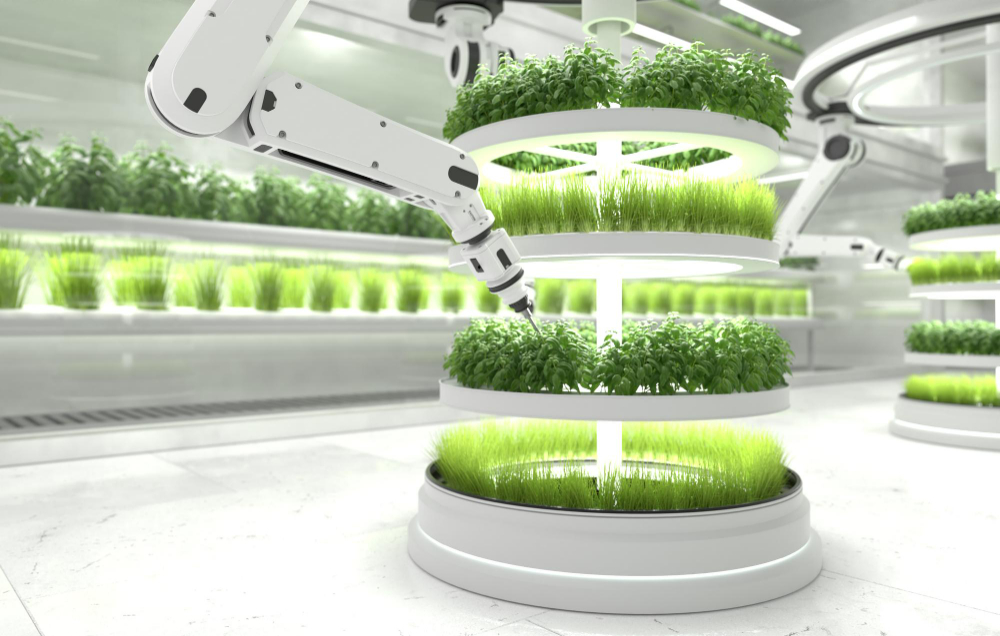
The global food sector is no longer limited to traditional production and distribution. Today, it is deeply connected to biotechnology, sustainability, nutrition science, food safety, and advanced processing technologies. Reports consistently show that the global food technology market continues to grow significantly, driven by changing consumer preferences, population growth, and technological advancement.
Students choosing to study masters in Europe in Food Science & Technology benefit from exposure to cutting-edge developments in food processing, quality control, product development, and sustainable solutions. This field offers career opportunities that extend across research, manufacturing, health sciences, regulatory sectors, and innovation-driven industries.
A Multidisciplinary & Future-Proof Field
Unlike many conventional programmes, Food Science & Technology sits at the intersection of multiple disciplines. Students gain knowledge in chemistry, microbiology, engineering principles, nutrition, and data-driven food systems. This multidisciplinary structure enhances employability and career flexibility.
For students considering alternatives beyond MBA in Europe or Medicine in Europe, this specialisation provides a future-ready skill set aligned with global priorities such as food security, health optimisation, and sustainable production. Graduates are increasingly valued for their ability to solve complex, real-world challenges.
Strong Career Stability & Industry Relevance
The food industry remains one of the world’s most essential and resilient sectors. Regardless of economic fluctuations, demand for safe, nutritious, and sustainable food solutions continues to rise. Industry analyses highlight consistent growth in roles linked to food safety, quality assurance, research & development, and technological innovation.
Students who study masters in Europe within this field position themselves for careers that combine scientific expertise with practical industry applications. The emphasis on innovation and sustainability further strengthens long-term career stability.
Accessible Pathways for Diverse Academic Backgrounds
Another significant advantage of Food Science & Technology is its accessibility. Students from varied academic backgrounds — including life sciences, chemistry, biotechnology, agriculture, and even engineering — often find suitable entry routes into specialised master’s programmes.
Students who have completed a free bachelor degree in Europe frequently leverage this advantage by progressing into highly specialised master’s disciplines. This academic progression strategy enables students to build advanced expertise without dramatically increasing education costs.
A Smart Alternative for Forward-Thinking Students
While programmes such as MBA in Europe and Medicine in Europe remain highly attractive, modern students are increasingly evaluating emerging sectors that offer strong employability and innovation potential. Food Science & Technology represents a compelling option for students seeking a balance between scientific exploration, industry demand, and societal impact.
For students planning to study masters in Europe, exploring specialised disciplines like Food Science can unlock opportunities that are both professionally rewarding and globally relevant.
The future of international education lies not only in traditional prestige programmes but also in emerging, industry-driven specialisations. Fields such as Food Science & Technology are gaining global recognition for their relevance, innovation potential, and strong career prospects. For students and parents exploring overseas study options, looking beyond conventional choices like MBA in Europe or Medicine in Europe can reveal powerful academic opportunities.
With the right planning and guidance, students can confidently study masters in Europe while discovering programmes aligned with evolving global industries. Platforms like assistED help simplify this journey by providing structured programme discovery, profile evaluation, and expert support — ensuring students make informed, confident decisions for their future.