Study Abroad Articles


How Europe Is Redefining Overseas Education with Free and Low-Cost Study Options
05 Feb 2026
-
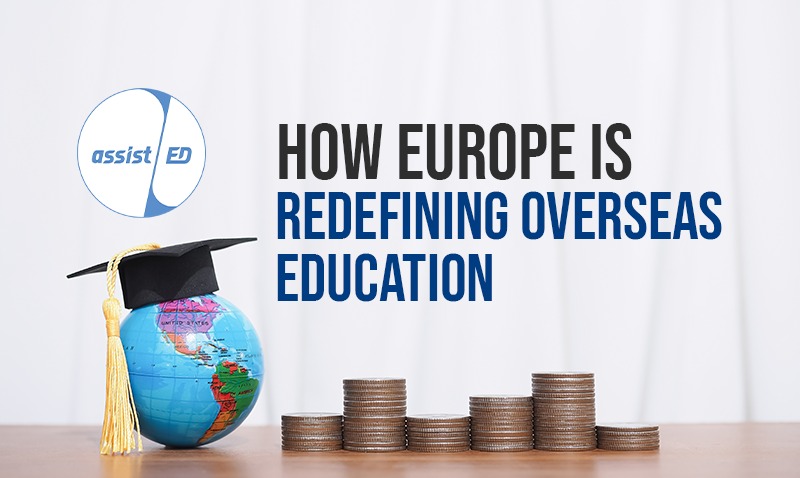
Over the past few years, Europe has been undergoing a quiet but powerful transformation in how higher education is designed and delivered. Instead of focusing only on a small group of elite, highly ranked universities, many European countries are now prioritising accessibility, affordability, and practical learning outcomes. This shift is creating new opportunities for students who are Studying abroad and looking for high-quality education without the heavy financial burden often associated with traditional destinations.
For families exploring Overseas education consultant services, this trend matters more than ever. European governments are actively investing in public universities, applied sciences institutions, and regional campuses to widen access for international students. Lower tuition fees, expanded scholarship schemes, and flexible admission pathways are making Europe an increasingly attractive and realistic study destination for students from diverse academic and financial backgrounds.
1. From Elite Universities to Inclusive Public Education Models
European higher education systems are moving away from an over-reliance on globally ranked elite institutions and focusing instead on strong public universities and universities of applied sciences. Countries such as France, Sweden, Germany, and Finland have long believed that education is a public good rather than a luxury. This approach supports students who are Studying abroad by offering high academic standards across a wider range of institutions, not just a select few.
This inclusive model benefits international students by increasing seat availability, reducing competition pressure, and offering programmes that are closely aligned with industry needs. Parents also appreciate that these institutions maintain strict quality controls while remaining affordable, ensuring strong returns on educational investment.
2. Lower Tuition Fees and Public Funding Support
One of the strongest drivers of this shift is public funding. Many European governments continue to subsidise higher education heavily, which directly lowers tuition costs for both domestic and international students. In some cases, this leads to Free education in France, where students pay only minimal registration or administrative fees at public universities.
Similarly, Nordic countries like Sweden have built systems where tuition fees are transparent, regulated, and often combined with generous scholarship opportunities. These policies reduce financial stress and make long-term planning easier for families engaging with an Overseas education consultant to explore European study options.
3. Scholarships Designed for Mobility and Inclusion
Scholarships are no longer limited to top academic performers or elite institutions. Today, Europe offers a wide range of mobility-based and need-sensitive scholarships aimed at increasing international participation. These include government-funded grants, university-specific fee waivers, and EU-backed mobility programmes that support cross-border education.
For students Studying abroad, this means access to financial support even at regional or applied universities. Countries promoting Free education in Sweden and low-cost study models often combine reduced fees with living-cost support, making education genuinely accessible rather than just affordable on paper.
4. Applied Sciences and Career-Oriented Institutions
Another key part of Europe’s inclusive shift is the growing importance of universities of applied sciences. These institutions focus on practical training, internships, and direct links with employers. They are particularly attractive for international students seeking employability-focused education as part of their Overseas education consultant guided plans.
Applied universities typically offer lower tuition fees, smaller class sizes, and clearer career pathways. This model supports students who may not fit traditional academic profiles but still want strong professional outcomes after completing their studies abroad.
5. Smarter Funding for International Student Mobility
European countries are also investing in smarter funding systems that encourage international mobility rather than exclusivity. Visa-friendly policies, work rights during studies, and post-study employment options complement affordable tuition structures. Together, these measures make Europe a sustainable option for long-term Studying abroad plans.
For families considering Free education in France or Free education in Sweden, this broader ecosystem—combining cost control, scholarships, and work opportunities—adds significant value beyond tuition savings alone.
A More Open, Fair, and Sustainable Study Abroad Future
Europe’s move from elite-focused education to inclusive, publicly supported systems marks a major shift in global Overseas education. Lower fees, expanded scholarships, and a strong emphasis on mobility are reshaping how international students access quality education. Countries offering Free education in France and Free education in Sweden are leading this change by proving that academic excellence and affordability can coexist.
For students and parents exploring Studying abroad options through trusted guidance or an Overseas education consultant, this new European model offers clarity, stability, and opportunity. As accessibility becomes a priority rather than an exception, Europe is positioning itself as one of the smartest and most inclusive higher education destinations for the years ahead.